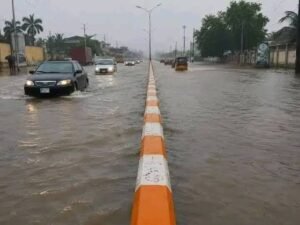
 By Kingpin Eshiet
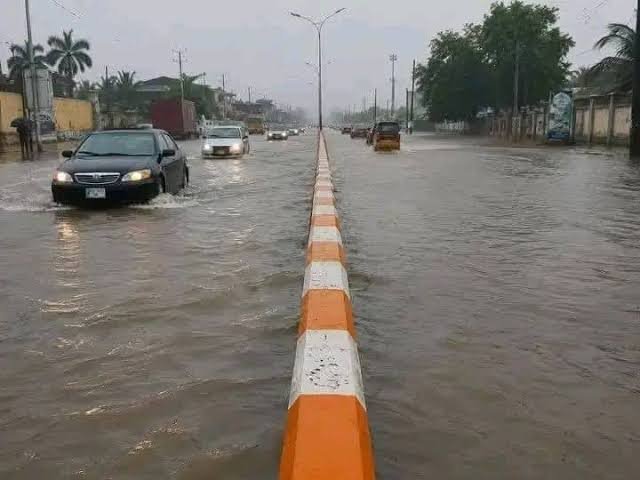
The rain is here again, and once again, several parts of Uyo, Akwa Ibom State, are battling serious flooding. Streets are filled with water, businesses are affected, homes and properties are being damaged, and ordinary residents are left wondering how they will recover from the losses.
What makes this particularly concerning is that some of these problems were foreseeable.
A few months ago, during the dry season, I raised concerns about blocked drainages and gutters across parts of Uyo. I appealed to those responsible to take decisive action before the rainy season arrived.
Now the rains have come, and some drainage-clearing efforts are taking place. But the question is: why wait until the rain arrives before preparing for the rain?
Drainages, waterways and culverts should be properly inspected and cleared during the dry season, when the work can be done effectively. Waiting until heavy rainfall has already begun makes the task more difficult and leaves residents exposed to unnecessary flooding.
This is not about attacking anybody. It is about asking government to do what government is expected to do.
Akwa Ibom is blessed with resources and human capacity. We should therefore be able to develop a sustainable drainage and flood-management system that protects lives, businesses and property.
There is also the issue of waste management.
When residents properly bag their waste and take it to designated collection points, scavengers sometimes tear open the bags in search of recyclable materials, leaving the remaining waste scattered around the streets. During rainfall, some of this waste can find its way into gutters and drainage channels, contributing to blockages.
This requires a coordinated solution—not simply blaming residents.
The government should strengthen waste collection, provide adequate waste bins and collection points across Uyo, ensure regular evacuation of refuse, and establish a system that discourages indiscriminate scavenging and dumping while providing a lawful framework for recycling activities.
We must also pay attention to the growing number of mentally vulnerable and homeless persons roaming the streets. This is not merely an issue of aesthetics; it is a humanitarian and public-safety concern that requires proper intervention, rehabilitation and social support.
And let me make something very clear:
Speaking about these issues does not make anyone anti-government.
I am not against the government. I am not against the governor. I am not against any politician in Akwa Ibom State.
I am against injustice, negligence and the culture of silence that tells people not to speak when something is going wrong.
When citizens offer genuine criticism or constructive advice, the appropriate response should not be character assassination or attempts to label them as enemies of government. A responsible government should be able to listen to both praise and criticism.
Government is a public trust. Those who occupy public offices are there because the people have entrusted them with responsibility. It is an opportunity to serve—not a position of superiority.
The fundamental responsibility of government includes the protection of lives and property. When floods destroy people’s homes, businesses and belongings, we should ask what measures are being taken to prevent a recurrence and what support is available to affected residents.
We should not wait for another rainy season before remembering our drainage systems.
Let us use the dry season to:
– Clear and maintain drainages and waterways.
– Desilt culverts and drainage channels.
– Identify flood-prone areas and address them systematically.
– Improve waste collection and disposal.
– Provide adequate waste bins and collection points.
– Enforce responsible waste disposal.
– Develop sustainable flood-prevention infrastructure.
– Respond humanely to homeless and mentally vulnerable persons on the streets.
– Maintain drainage infrastructure throughout the year rather than only during emergencies.
Criticism is not hatred. Advice is not opposition. Speaking the truth is not an attack.
If something is wrong, citizens should be able to say it respectfully. If government gets something right, citizens should also acknowledge it.
What matters ultimately is not who receives the praise or who receives the criticism.
What matters is whether Akwa Ibom works for the people.
Uyo deserves a city where heavy rainfall does not automatically translate into destroyed businesses, flooded homes, blocked roads and preventable suffering.
Let us stop treating these problems as seasonal surprises.
Prepare during the dry season. Maintain throughout the year. Protect the people.
That is not anti-government.
That is responsible citizenship.