By Destiny Young
The outcome of the 2026 Osun governorship election reinforces a fundamental political truth. When a governor performs, his achievements can earn the trust of the people beyond party affiliations and political propaganda.
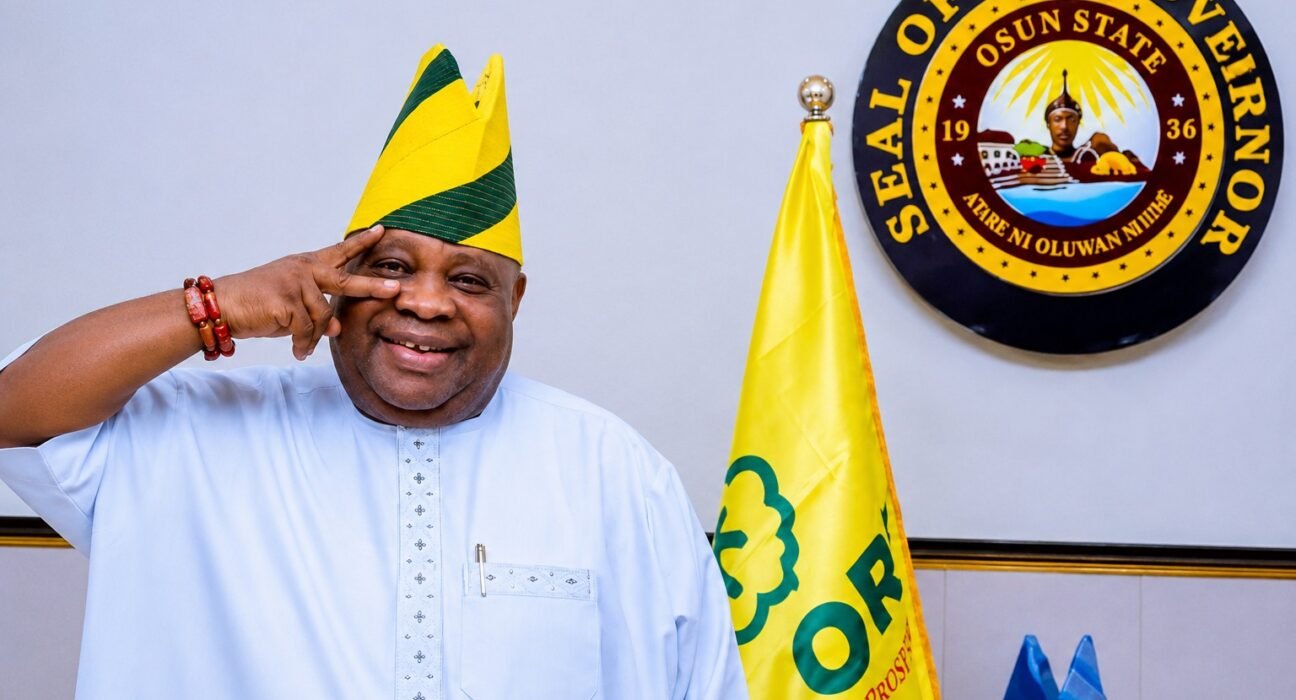
Governor Ademola Adeleke contested under the Accord Party, a platform with a weaker political structure than the APC. Yet, he secured 511,067 votes against the APC candidate’s 444,815 votes. The result suggests that many Osun voters assessed the governor based on his performance rather than the size or influence of his political party.
Adeleke’s administration was not without criticism. However, residents could identify visible road projects, the payment of salary and pension arrears, the implementation of the minimum wage, and investments in healthcare and education. These interventions directly affected workers, pensioners, businesses and communities.
The election also shows that political structures have limits. Party machinery can mobilise voters, but it cannot easily erase the evidence of governance that people experience in their daily lives. Roads, salaries, pensions, healthcare services and accessible leadership often speak more convincingly than campaign promises.
Adeleke’s victory was therefore more than an Accord Party victory. It was largely a personal mandate built on the people’s assessment of his performance. Osun voters demonstrated that a governor who remains connected to the electorate and delivers visible results can survive political realignment and defeat a stronger national party.
Performance may not remove every political obstacle, but it gives the electorate a compelling reason to defend an administration at the ballot box. That is the central lesson from the 2026 Osun governorship election.