 By Destiny Young
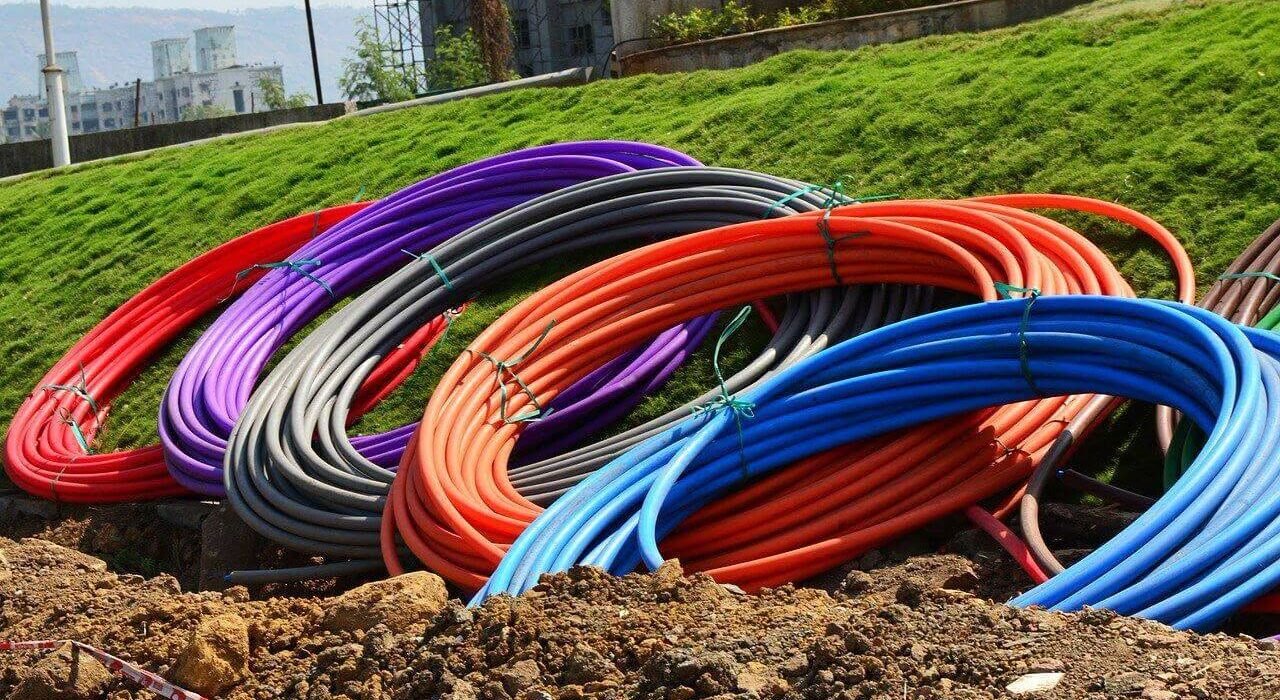
Nigeria is preparing to begin one of the largest digital infrastructure projects in its history. The planned deployment of 90,000 kilometres of fibre-optic infrastructure will connect every state, local government area and ward. The project will also include 3,700 new telecommunications towers to extend network coverage, particularly to underserved communities.
When successfully implemented, this initiative could change how millions of Nigerians work, learn, communicate and conduct business. Its real value, however, will depend on whether the infrastructure produces affordable, reliable and accessible internet services.
For many Nigerians, the major problem is no longer the absence of smartphones or digital awareness. It is the high cost of data and the poor quality of internet services. Many households and small businesses spend considerable amounts on multiple network providers because no single provider offers consistent connectivity.
Expanding the national fibre backbone could increase network capacity and reduce the cost of carrying internet traffic across the country. It could also encourage greater competition among telecommunications companies and internet service providers. However, the presence of fibre infrastructure alone will not automatically make internet access affordable. Regulators must ensure that service providers gain fair and competitive access to the infrastructure, with cost reductions passed on to consumers.
Rural connectivity could become one of the project’s most important outcomes. Many rural communities still struggle with weak mobile signals, slow internet speeds or complete absence of broadband services. The proposed telecommunications towers could help extend coverage to locations where operators may consider commercial investment unattractive.
Connecting rural communities would give farmers access to market information, digital financial services and modern agricultural resources. Residents could access government services without travelling long distances to state capitals or major towns.
The project could also expand access to online education. Students in remote communities could attend virtual classes, access digital libraries and participate in professional training programmes. Universities and other educational institutions could reach working-class learners who cannot attend physical classes because of employment, family or location constraints.
Improved connectivity would also strengthen remote work and create new digital employment opportunities. Young Nigerians would be better positioned to work as software developers, cybersecurity professionals, virtual assistants, digital marketers, data analysts and online tutors. They could compete for opportunities within and outside Nigeria without relocating to Lagos, Abuja or another major city.
Small businesses could benefit significantly. Reliable broadband would allow entrepreneurs to advertise online, receive digital payments, manage customers and reach markets beyond their immediate communities. A fashion designer in Ikot Ekpene, a farmer in Benue or a software developer in Uyo could serve customers across Nigeria and internationally.
Still, the success of the project will require more than laying cables and erecting towers. Nigeria must address unreliable electricity, infrastructure vandalism, multiple right-of-way charges, equipment maintenance and digital skills gaps. Communities must also understand the economic value of protecting telecommunications infrastructure.
The 90,000-kilometre fibre network offers Nigeria an opportunity to decentralise digital development and reduce the connectivity gap between major cities and rural communities. Its success should not be measured by kilometres of fibre deployed or towers constructed. It should be measured by lower data prices, improved service quality, new jobs, stronger businesses and the number of previously excluded Nigerians brought into the digital economy.
The important question is whether Nigeria will build another impressive national infrastructure project or create an affordable digital foundation that improves everyday life in every ward.
I am of the opinion that this project deserves the highest level of attention because of its potential to transform rural communities and the oportunities it brings.
—
Destiny Young | Tech | Cybersecurity | Digital Transformation | Data Privacy Engineering